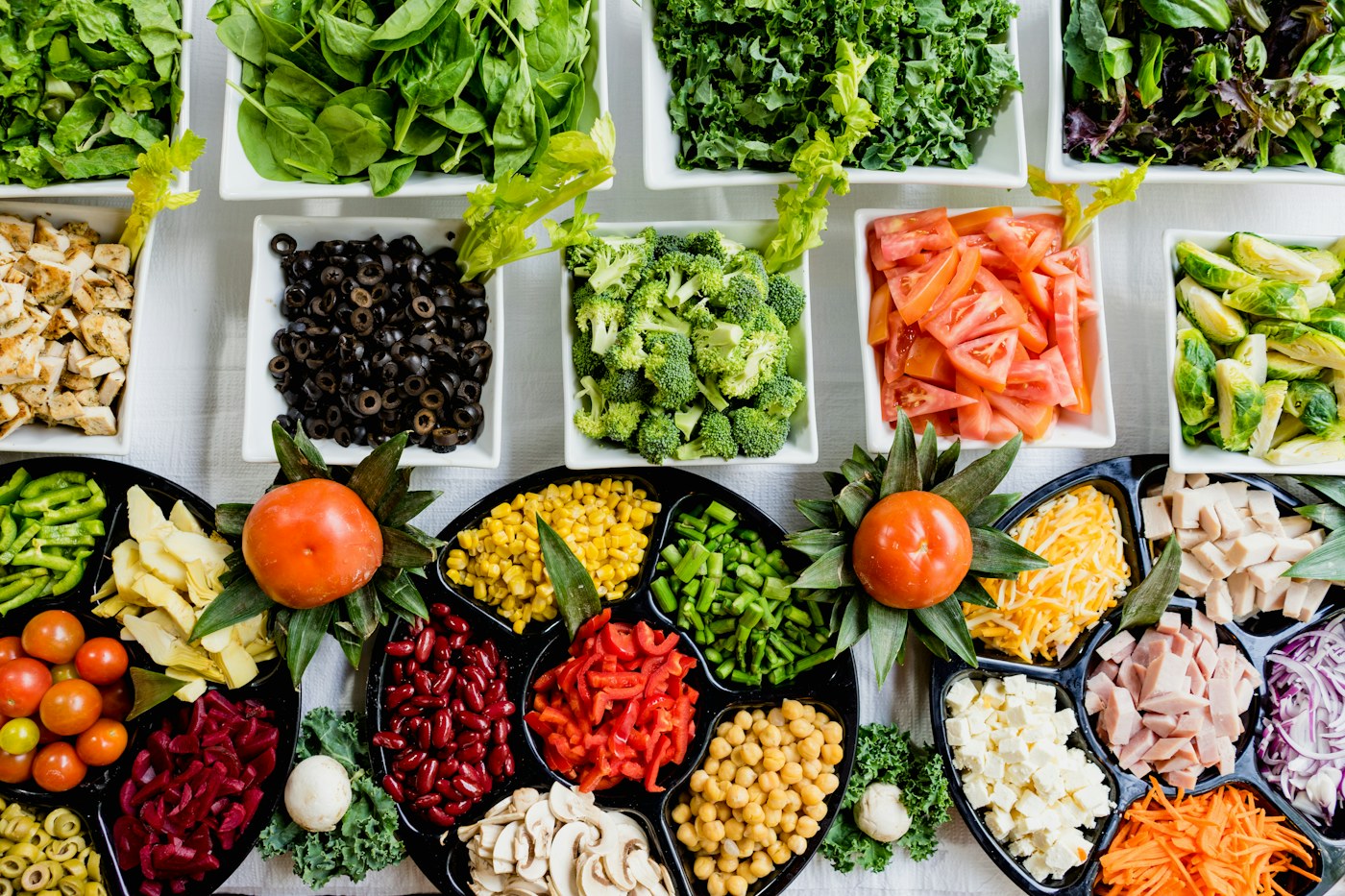
Sunday dinner becomes two lunches, cut vegetables, and a freezer portion, all competing for one refrigerator shelf. Containers work when they stack securely, show their contents, and do not begin with a search for the matching lid.
Glass and plastic trade weight against breakage, staining, and reheating. Compare usable capacity, seal construction, compartment shape, care directions, and replacement-lid availability before committing to a set.
The most useful choice is rarely the model with the longest feature list. It is the one that fits the place it will live, the person who will use it, and the maintenance they will realistically complete. Start by writing down the recurring frustration you want to remove.
What matters in daily use
Use these checks to narrow the field before comparing finishes, bundles, or limited-time promotions.
- Measure the refrigerator shelf, lunch bag, and a representative meal portion.
- Choose one or two repeatable footprints so full and empty containers stack neatly.
- Use leak-resistant seals for transport while keeping containers upright when practical.
- Verify microwave, freezer, dishwasher, and oven directions for each component separately.
- Label freezer portions with contents and date using a removable system.
Confirm important specifications on the current manufacturer or retailer page. Materials, included parts, compatibility, and instructions can change without notice.
A scenario-based shortlist
These product types solve different versions of the problem. OH Newspaper has not physically tested the individual models linked below; the shortlist is a practical framework for further research.
Glass locking-lid containers
Best for: Reheating and resisting stains.
Tradeoff to consider: Heavier and vulnerable to breakage.
Explore current options ↗Retail search link; no tracked affiliate ID is active at publication.Lightweight plastic containers
Best for: Commuting with several meals.
Tradeoff to consider: May stain or retain odors over time.
Explore current options ↗Retail search link; no tracked affiliate ID is active at publication.Divided lunch containers
Best for: Keeping components separate until mealtime.
Tradeoff to consider: Fixed compartments reduce flexibility.
Explore current options ↗Retail search link; no tracked affiliate ID is active at publication.Think beyond the checkout
Purchase price is only one part of value. Consider storage, cleaning, replacement parts, consumables, charging space, return shipping, and the time required to keep the product working well. A slightly simpler item can be the better long-term buy when it is easier to use and maintain.
If fit, comfort, or color matters, preserve the packaging and tags until you have checked the item indoors. For installed products, read the return policy before drilling, cutting, washing, or discarding protective material.
Before you buy
Avoid microwaving a sealed container or assuming lids share the base's heat rating. Retire pieces with cracks, badly warped rims, or seals that no longer clean thoroughly.
Measure the product and the route it must travel, open, charge, dry, or store. Check who handles warranty service, what the return window excludes, and whether commonly replaced parts are readily available.
The bottom line
Build a small system around meals actually prepared and the places they travel. Repeatable sizes and replaceable lids usually create more lasting value than a cabinet-filling bundle.
Choose the option whose limitations you understand and can live with. If a listing does not clearly explain dimensions, materials, essential compatibility, care, or return terms, keep researching.